Why Hybrid Cannabis Strains Offer the Best of Both Worlds
Finding Your Balance in the Cannabis Market
When I first started exploring cannabis beyond the basic split between indica and sativa, I remember feeling overwhelmed. A friend handed me a jar labeled with a name that sounded like a sci-fi hybrid and said, "This one is for focus, but it will also help you sleep." I was skeptical. How could one plant do both? That was my first real introduction to hybrid cannabis strains, and it changed how I thought about the plant entirely.
Over the years, I have watched the market shift dramatically. Pure indicas and pure sativas still exist, but the vast majority of what you see on menus today is a hybrid of some kind. Growers have gotten incredibly skilled at cross-breeding, pulling out specific traits from parent plants to create flower strains that hit a particular sweet spot. Whether you are looking for something to help you power through a workday or something to unwind with at night, there is a hybrid out there that fits.
What Makes a Hybrid a Hybrid?
At its simplest, a hybrid is the offspring of two different cannabis plants. But the genetics can get complex fast. A plant might be 60% indica and 40% sativa, or it could be a more even split. That ratio influences everything from the shape of the leaves to the structure of the bud. An indica-dominant hybrid typically grows shorter and bushier, with denser flowers, while a sativa-dominant hybrid tends to stretch taller and produce airier, elongated buds. The balanced hybrid sits right in the middle, offering a mix of both growth patterns and effects.
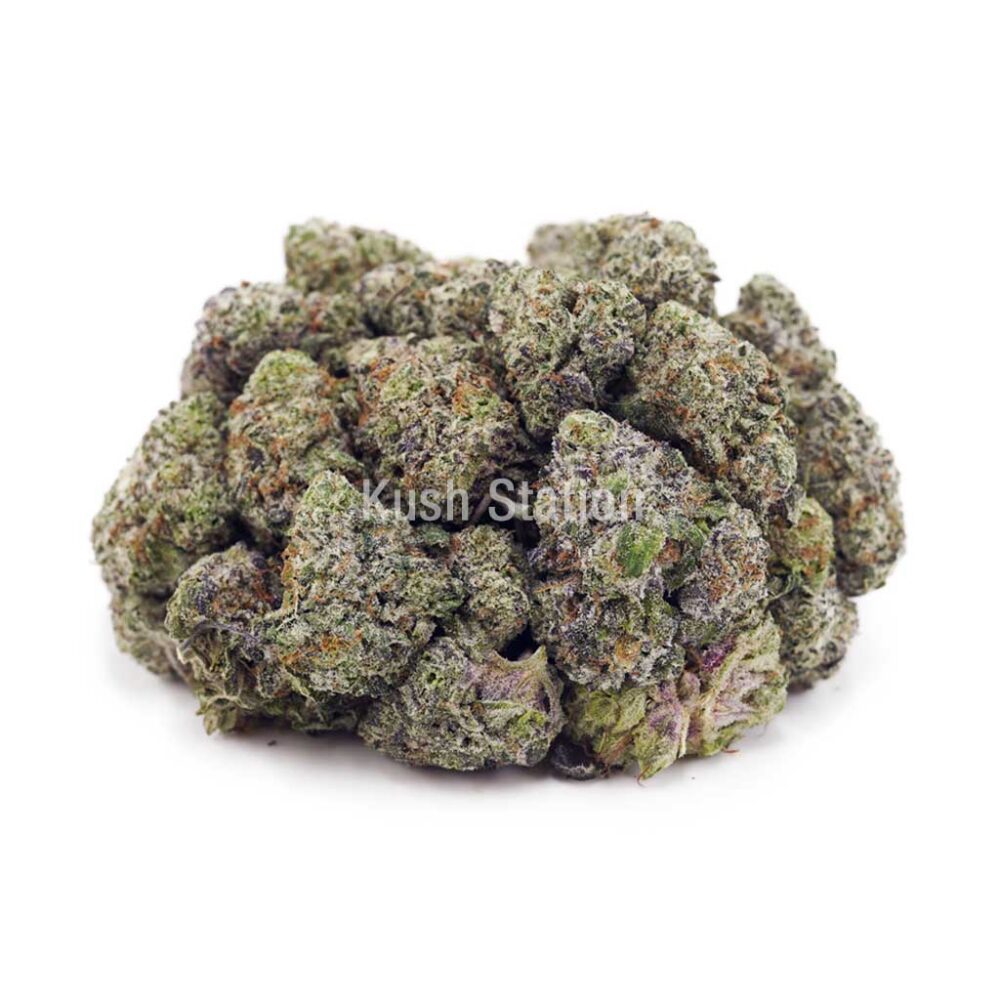
I have seen growers spend years working on a single cross, just to isolate one phenotype that expresses the perfect terpene profile. That kind of dedication shows in the final product. When you buy from a reputable source like Kush Station in British Columbia, you are getting the result of that careful selection. The bud size alone can tell you a lot about the care that went into the grow. Large, well-formed flowers usually mean the plant was healthy and the environment was dialed in.
The Entourage Effect and Why It Matters
One of the most fascinating things about hybrid cannabis strains is how they leverage the entourage effect. This is the idea that the various compounds in cannabis work better together than they do alone. A plant is not just THC and CBD. It is a complex mix of cannabinoids, terpenes, flavonoids, and other molecules that all interact. When you consume a whole-plant product, you get that full symphony of effects, not just a single note.
A sativa-dominant hybrid might be high in limonene and pinene, giving it an energizing, citrusy aroma that pairs well with a moderate THC percentage. That same plant might have enough myrcene and caryophyllene from its indica parent to keep the experience grounded, preventing the jittery edge that some pure sativas can cause. I have had sessions with a balanced hybrid where I felt clear-headed and creative for the first hour, then gradually drifted into a calm, relaxed state as the evening went on. That is the entourage effect in action.
Reading the Numbers: THC, Terpenes, and Cannabinoids
When you are shopping for hybrid cannabis strains, the numbers on the label can be helpful, but they are not the whole story. THC percentage gets a lot of attention, and it is true that higher numbers often correlate with stronger effects. But two strains with the same THC percentage can feel completely different because of their cannabinoid content and terpene profile. A strain high in THCV, for example, might have a more sedating effect even if the THC is moderate. A strain rich in CBG could offset some of the anxiety that THC can cause.
I have learned to look at the full picture. AAAA cannabis usually means the flower has been grown and handled with top-tier care. The trichome coverage is dense, the buds are well-trimmed, and the aroma is pronounced. Craft cannabis takes that a step further. It is grown in small batches by people who treat each plant like a project. You can taste the difference. The flavor is more nuanced, the burn is cleaner, and the experience feels intentional.
Price range is another factor. You do not always need to buy the most expensive option. Sometimes a well-grown balanced hybrid from a mid-range price bracket will hit exactly the right notes for a casual evening. Other times, especially if you are treating a specific condition or want a memorable experience, it is worth spending more on a premium flower strain with a verified genetics background.
Color, Structure, and What to Look For
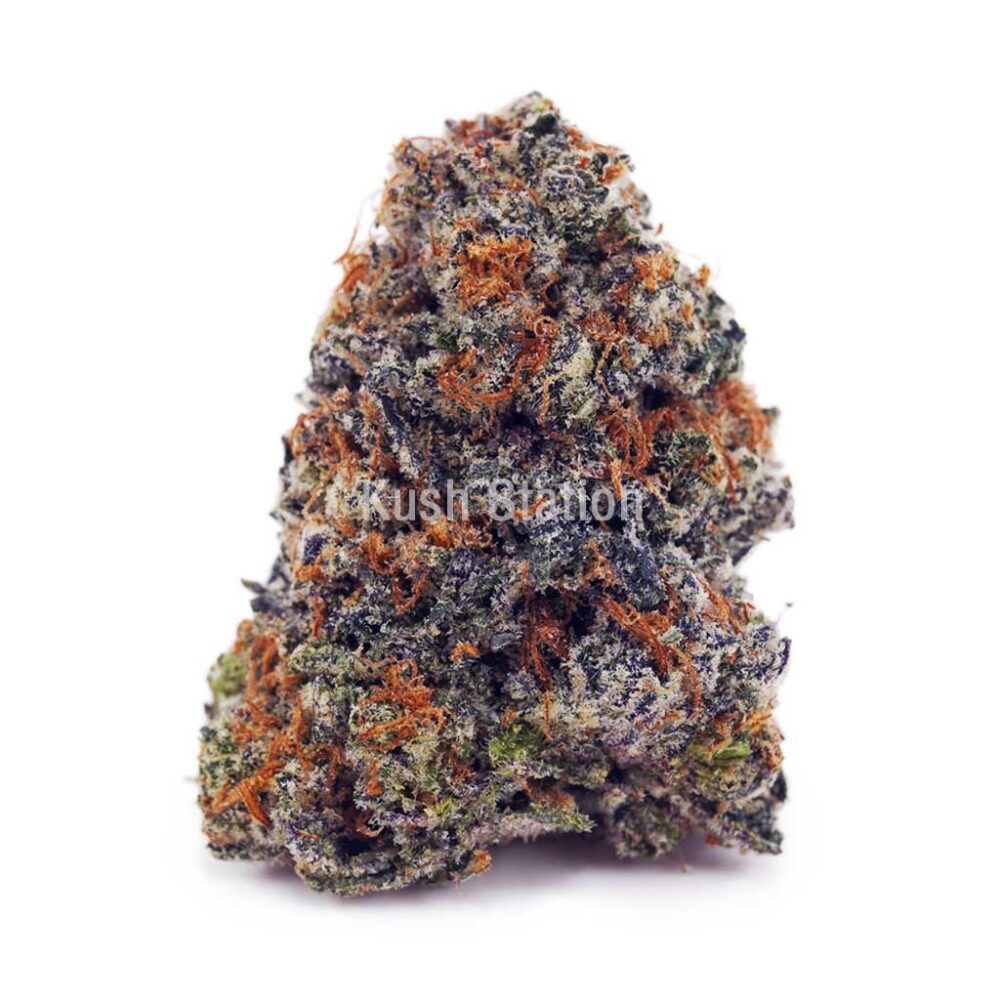
Walk into a shop or open a delivery box, and the first thing you notice is the look of the flower. Green cannabis is the standard, but you will also see purple cannabis more and more often. That purple color usually comes from anthocyanins, which are pigments that develop when the plant is exposed to cool temperatures during the final weeks of flowering. It does not necessarily mean the strain is more potent, but it often indicates careful growing practices and a specific phenotype that was preserved through generations of cross-breeding.
Bud size matters, too. I have had tiny, pebble-sized flowers that were absolutely packed with flavor and potency. I have also seen massive, airy buds that looked impressive but crumbled to dust at the slightest touch. A good grower balances size with density. The trichome coverage should be visible to the naked eye, a frosty coating that tells you the plant was harvested at the right time. If you see a lot of clear trichomes, the plant was taken early. Cloudy and amber trichomes indicate a more mature harvest, which usually means a more relaxing effect.
Finding Your Preferred Hybrid
The beauty of the current market is the variety. You can find indica-dominant hybrids that are perfect for pain relief and sleep, sativa-dominant hybrids that boost focus and creativity, and balanced hybrids that work well for social situations or just hanging out. The key is to pay attention to how each strain makes you feel, not just what the label says.
I keep a notebook where I jot down the name of the strain, the grower, the dominant traits, and how it affected me. After a few months, patterns emerge. I know that strains with a high myrcene and linalool content tend to relax me, while those high in limonene and alpha-pinene keep me alert. That kind of personal data is more useful than any generic review.
Final Thoughts on Choosing Hybrids
The world of hybrid cannabis strains is vast, but it is also approachable once you understand the basics. Start with a balanced hybrid if you are unsure. Pay attention to the terpene profile and the cannabinoid content, not just the THC percentage. Look for signs of quality like dense trichome coverage and proper curing. And do not be afraid to ask questions. Good growers and retailers, including the team at Kush Station in British Columbia, are usually happy to talk about their flower strain offerings and help you find something that fits your needs.
Cannabis is a personal thing. What works for me might not work for you, and that is okay. The important thing is to keep exploring, keep learning, and enjoy the process. The perfect hybrid is out there, and it is worth the search.